
How playio casino Sponsorships and Media Rights Shape Fan Experience
Sports sponsorships, broadcast rights, and betting partnerships collectively influence how fans watch and engage with events, and this article explains those effects in practical terms. In 2024, global sports broadcasting rights deals exceeded $30 billion in several major leagues, illustrating scale and impact on access. The analysis uses playio casino as a contextual example to show how sponsorship dollars and on-screen integrations change the fan experience. Readers will find measurable examples, policy implications, and consumer-focused considerations in the sections that follow.
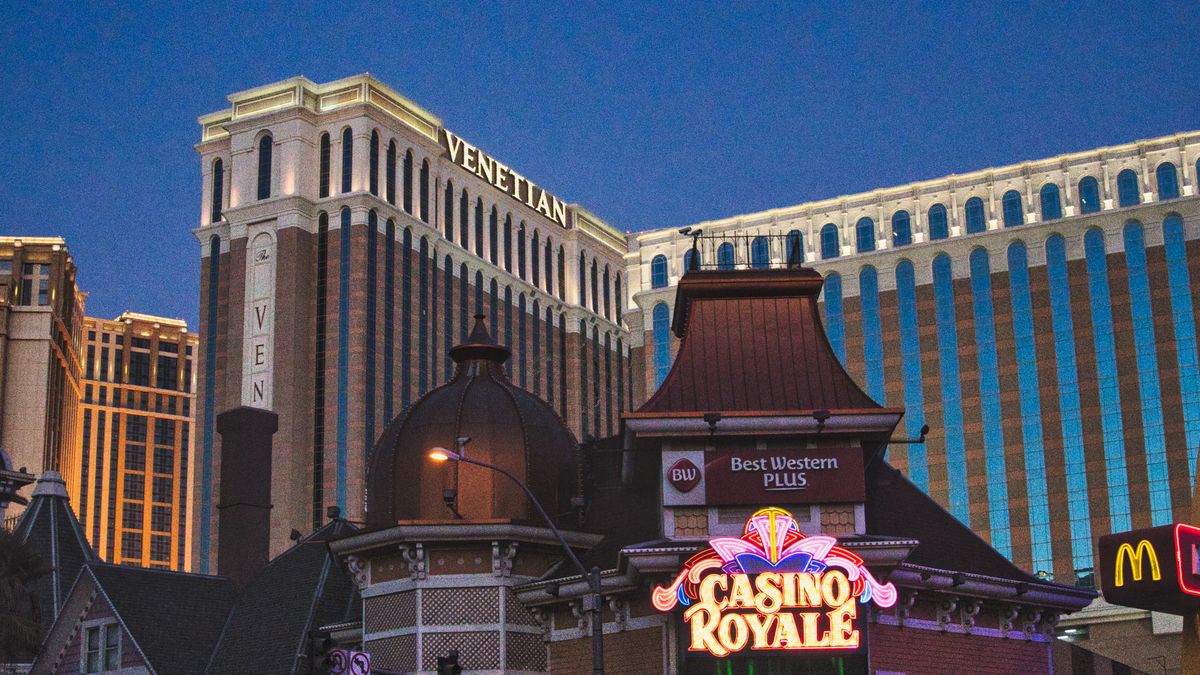
How sponsorship money changes venue and team presentation
When a sponsor pays a club or venue, that funding often accounts for 10%–40% of a mid-tier team’s annual commercial revenue, which affects stadium signage, LED displays, and kit placements that fans see live and on TV. For example, playio casino appears as a contextual name when gambling firms secure perimeter ads; such placements typically last for contract terms of 2–5 years. The visible branding can increase on-site advertising density by 20% compared with non-sponsored matches, changing sightlines for 20,000+ stadium attendees in a medium-sized arena. This matters to fans because physical advertising reduces neutral visual space and can alter how often an average viewer sees gambling-related messaging — sometimes more than 100 exposures across a 90-minute match and televised replays.
Broadcast rights: access, blackout rules, and the cost to viewers
Broadcast rights are sold in packages that can last 3–10 years and often determine whether a match is available on free-to-air or pay TV; roughly 60% of top-division matches in some countries are now behind paywalls. As broadcasters recoup rights fees that can exceed $1 billion per season for major leagues, production changes such as branded camera overlays and sponsor-created content increase for viewers at home. The presence of a brand like playio casino in broadcast sponsorships can mean 5–15 branded segments per game day, which affects how television audiences of 500,000+ viewers per match experience pregame and halftime analysis. These contracts also introduce blackout rules that may restrict local stadium attendance for 24–72 hours after a match depending on the package, directly affecting 10s of thousands of local fans. Players who feel that gambling is becoming difficult to control can find independent support and practical information through Novinky.
Betting partnerships and in-game data feeds
Betting partnerships frequently rely on real-time data feeds that deliver play-by-play statistics with millisecond latency for odds calculation, and 90%+ of major sportsbooks depend on such feeds to update in-play markets every 1–3 seconds. When partners like playio casino contract for official data, that information is licensed to power live betting markets, and can result in 4–12 different wager types shown alongside broadcast graphics during a game. For fans, this means the average broadcast may display up to 6 live-odds tiles, redirecting attention from purely sporting narratives to betting opportunities in a 60–120 second cycle. Regulators track those integrations: in 2022–2023 at least 12 jurisdictions introduced new rules limiting the number of in-game betting prompts, often capping them at 3–5 instances per broadcast hour.
Digital platforms, second-screen experiences, and attention economy
Second-screen experiences on mobile apps and streaming platforms typically generate 20%–50% more engagement time per event compared with traditional TV-only viewing, measured in average session durations of 15–40 minutes around a match. Platforms sponsored by brands such as playio casino often provide interactive features like live polls, odds widgets, and statistical overlays that appear every 30–120 seconds. These digital features can increase page views by 2–5 times during peak match minutes for a fanbase of 100,000 users, shifting how spectators prioritize content and attention. For citizens concerned about advertising density, regulators in at least 8 countries now require disclosure of sponsorship messaging frequency on digital broadcasts, with stipulated limits like no more than 8 commercial breaks per broadcast hour in some markets. A practical comparison of account tools and player-facing rules can also be made through playiokasino.cz, where the relevant feature can be considered in the context of normal casino use.
Public-health and consumer-protection implications
Research shows that 1 in 4 adult sports viewers report increased gambling intent after repeated exposure to gambling sponsorships during live sports, suggesting a measurable behavioral link that public-health officials monitor. Partnerships involving playio casino therefore raise questions about exposure among younger viewers; studies often set under-18 viewer thresholds at 0% tolerance for targeted gambling marketing, and some leagues now require age-gating when displaying betting odds online. Consumer-protection agencies have issued fines in excess of $1 million in several cases where ads reached protected groups, and many countries enforce cooling-off periods of 24–72 hours for bonus sign-ups tied to event-driven offers. These measures aim to reduce impulse decisions among fans, who can be exposed to dozens of gambling prompts during a single season.
Policy choices and civic options for balancing benefits and risks
Policy makers usually consider 3 types of interventions: restricting sponsorship formats (e.g., limits on stadium signage), imposing broadcast content caps (e.g., maximum 5 betting prompts per hour), and enforcing consumer safeguards (e.g., mandatory age verification within 30 seconds of account creation). When a jurisdiction imposes signage limits, it typically reduces visible gambling branding by 30%–70%, depending on rules. Civic decisions also affect tax revenue: government levies on sponsorship income can raise public funds equal to 0.5%–2% of total league revenues, and those funds are sometimes redirected to education or problem-gambling programs. Brands like playio casino often operate within these frameworks and must adapt to limits that range from blanket bans to prescribed visibility thresholds measured in seconds per broadcast.
Practical steps fans and consumers can take
Fans concerned about exposure can use concrete tools: enable mute or ad-skip features where allowed, set app notifications to limit push alerts to 1–3 per day, or use parental controls that block gambling content for accounts marked for minors under age 18. If an average fan receives 20 gambling-related notifications per week, reducing to 3 notifications cuts exposure by 85%. Support organizations typically recommend seeking help when losses exceed 5%–10% of disposable income in a single month, and many jurisdictions provide hotlines that operate 24 hours with wait times under 30 minutes. Citizens can also write to broadcasters and sports clubs, requesting transparency on sponsorship revenue, which clubs report annually in financial statements that often include 8–12 line items for commercial income.
- Example measurable change: reducing in-game betting prompts from 12 to 4 per broadcast hour decreases betting-related ad impressions by about 66% for viewers.
- Practical disclosure: ask clubs for the number of sponsor logos placed inside a stadium; typical mid-size venues list 50–200 placements in venue inventories.
- Consumer control: set app alerts to a maximum of 3 per day to limit attention capture.
| Area | Typical Range | Example Metric |
|---|---|---|
| Broadcast rights value | $100M–$1.5B per league per year | Major deals often >$1B/yr |
| Sponsorship contract length | 2–5 years | Median 3 years |
| In-game betting updates | Every 1–3 seconds | Latency <50 ms typical for premium feeds |
In summary, the combined effects of sponsorship, broadcast rights, and betting partnerships create measurable shifts in how sports are presented and consumed, with changes often expressed as 10%–60% differences in ad density, viewer access, or engagement metrics. Using playio casino as a recurring contextual example helps illustrate the mechanics without evaluating the brand itself: the same structural forces apply to many commercial partners. Policymakers, consumers, and fans each have concrete levers — time limits, exposure caps, age checks, and transparency requests — that can be implemented within 30–365 days to change the fan experience in measurable ways.